
1. Declutter Before Packing
There’s no way around it, we always recommend to start here. You don’t need to carry around the baggage of unwanted items from home to home over the years. In fact, it’ll save you time and money if you do the work of decluttering prior to packing a single thing for your move. You don’t have to do a full overhaul, but a light edit to each space (including closets, cabinets, and drawers) can help remove a layer of excess. If there are items you know for sure you will not need access to throughout the process of selling your home and moving into your new home, go ahead and pre-pack these things (common items include: holiday decor, books, and family photos)
Pro Tip: our team loves to work our magic in this stage of your moving process! Schedule your pre-move decluttering session ahead of time, you’ll thank yourself later.
2. Create a Moving Binder or List
Timelines, appointments, task lists, etc. We recommend designated a singular spot for all of the details surrounding your move to live. A shared note on your phone or Google Doc can be a great way to keep updated and shared info accessible. If you prefer physical lists and documents, get a binder or folder and label it clearly to avoid any confusion.
3. Shop Around for Service Providers
Take your time to gather quotes from 3-5 movers. Read reviews. Compare more than just the price… professionalism, clarity of estimate, and responsiveness are other factors to consider when choosing a moving company. Ask a group of friends or neighbors if they have a recommendation.
A few key questions to ask:
What is the cancellation/rescheduling policy?
What could cause my estimate/cost to increase?
Who actually does the moving (contractors or their team members)?
Are there any extra fees?
What is their damage/insurance policy?
4. Pay Attention & Take Note
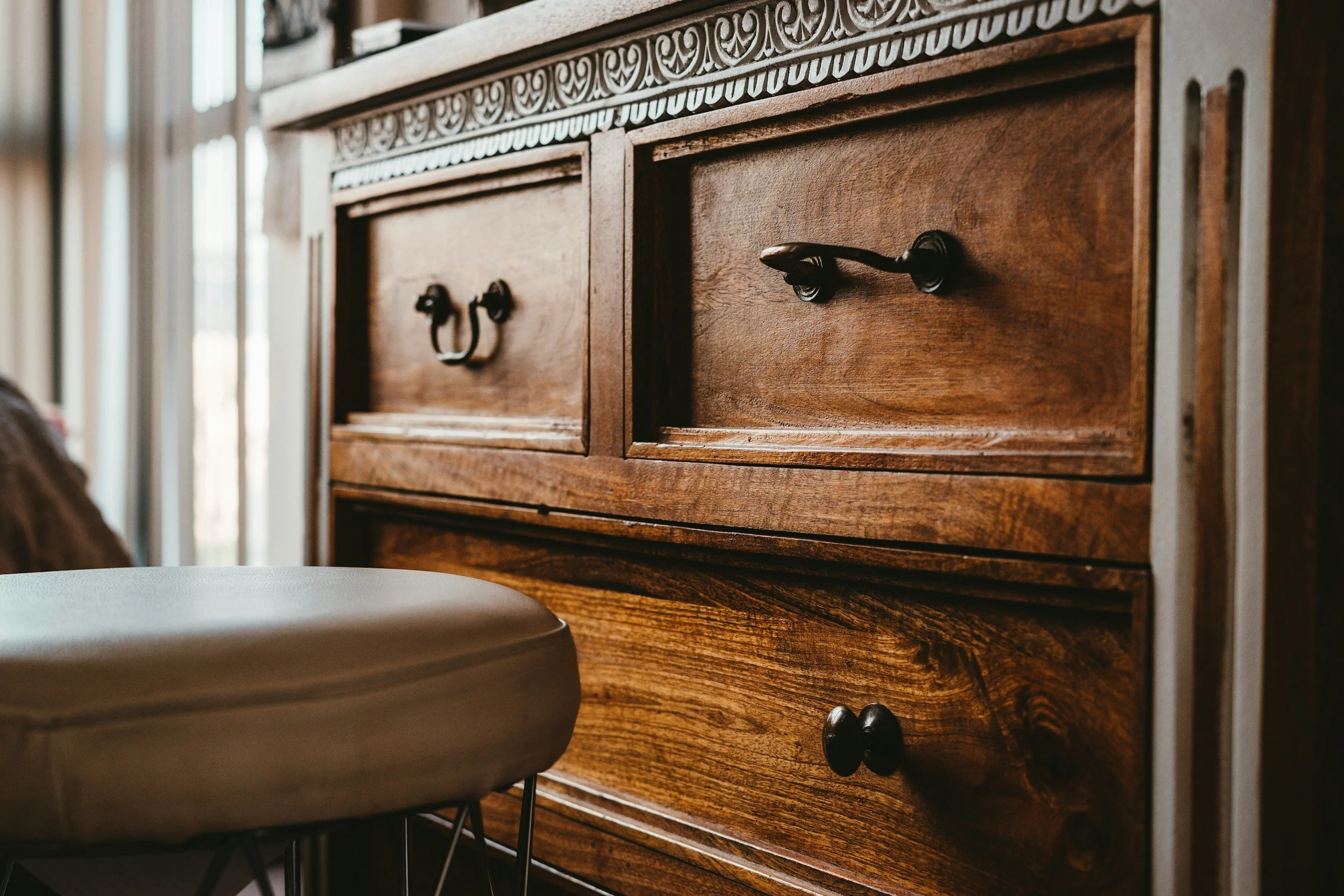
Thoroughly check your furniture and decor for any flaws or imperfections, to ensure they are handled with extra care. Take photos and make notes of how specific areas are set up or put together, for ease of resetting in new home. This is a proactive way to make all service providers aware of any existing scratches/dents in your home or furniture, to avoid issues after the move if there are new or unexpected. If pieces of furniture require disassembly, use a clearly labeled ziplock for all the hardware relevant to that piece for rebuilding. If you are removing lampshades from multiple lamps, use a piece of painters tape folded onto itself and label corresponding lamp & shade with a letter or number to avoid confusion.
5. Pack With the Future in Mind
If your new home has rooms your old home didn’t have, you can pack a couple of specific boxes for items you know will go in that new space. Also, consider what items you will need continual access to throughout your move and pack those in designated suitcases and keep these on hand at all times (in your trunk, a designated spot in the home you’re in at the moment, a clearly marked area in a garage to avoid confusion or items being misplaced). If you are eager for that settled in feeling, hire our team to help unpack and organize your new space. We can be present and help coordinate the day of your move to ensure all goes smoothly and everything gets where it needs to go.

Moving Soon?
Our FREE 4-Week Out Prep List offers a simple framework to help you prepare your home with care.